NBC Connecticut | Melissa Cooney
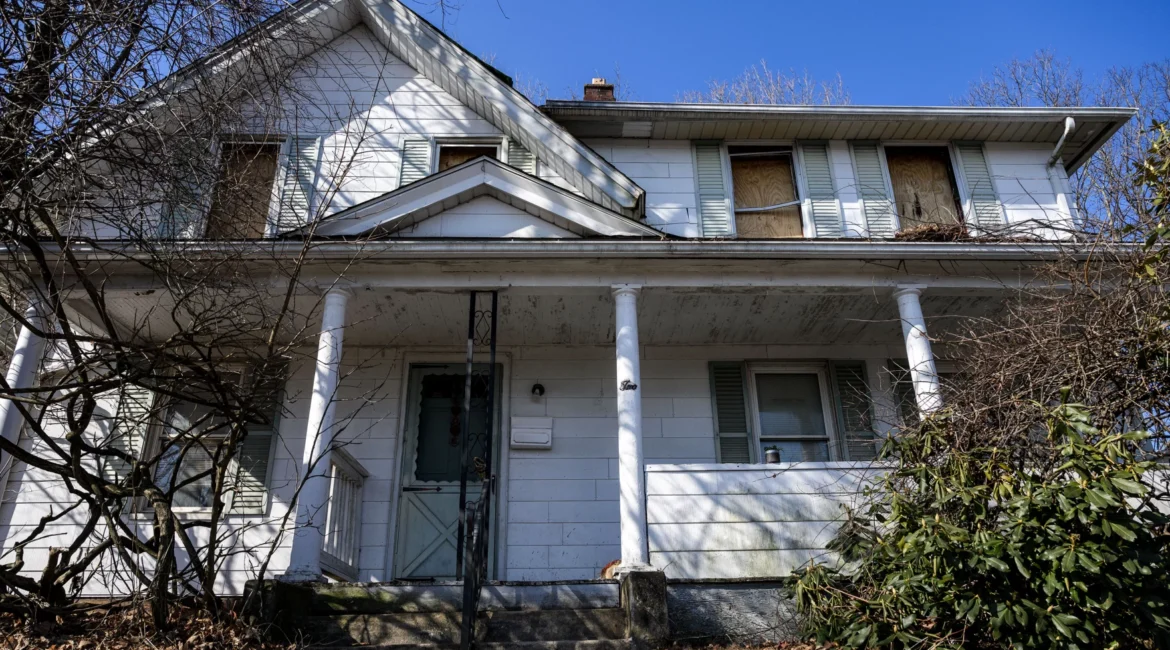
The man who says his stepmother held him captive for decades inside their Waterbury home is hoping to get access to Department of Children and Families (DCF) records as he seeks permission to potentially sue the state.
During a hearing Monday, attorneys for the man known as “S” argued they need more information from DCF before they can adequately respond to the state’s effort to dismiss his claim.
S, who was pulled from a Waterbury home he says he set a fire in back in February 2025, filed a claim seeking permission to potentially sue DCF over allegations that the agency failed to intervene despite reports of suspected abuse and neglect while he was a child.
The Connecticut Attorney General’s Office, representing the state, is seeking to have that claim dismissed. They argue the statute of limitations to sue DCF has run out because the claims would have been from the early 2000s. Assistant Attorney General John Tucker said that state law generally requires claims to be presented within one year of when they occur, with limited circumstances allowing claims dating back as far as three years.
S’s attorney, Joel Faxon, argued his client could not have brought a claim against the state while he was allegedly still being held captive.
Before the Claims Commissioner decides whether the case can move forward, S’s attorneys want access to more DCF records.
Faxon said his team initially had little information about DCF’s involvement with S, and DCF ultimately released approximately 240 pages of records, but many contained extensive redactions, including pages that were completely blacked out.
Faxon argued additional records could help his team respond to the state’s statute-of-limitations argument. One document became a particular focus of Monday’s hearing: an “after-action” report or review conducted by DCF concerning what happened in S’s case.
Tucker argued the document is protected by deliberative privilege and state confidentiality laws governing DCF records.
Claims Commissioner Robert Shea questioned why the report could not be provided under seal, allowing S’s attorneys to review it while keeping protected information from becoming public.
Shea ultimately decided he wants to work with both sides to work together to determine what additional DCF information can be provided while protecting confidential information.
The discovery dispute must be resolved before this legal dispute can move forward.
The Claims Commissioner will then have to determine whether the commission has jurisdiction to hear S’s claim, a decision that could determine whether S gets the opportunity to pursue a lawsuit against DCF.
The man who says his stepmother held him captive for decades inside their Waterbury home is hoping to get access to Department of Children and Families (DCF) records as he seeks permission to potentially sue the state.
During a hearing Monday, attorneys for the man known as “S” argued they need more information from DCF before they can adequately respond to the state’s effort to dismiss his claim.
S, who was pulled from a Waterbury home he says he set a fire in back in February 2025, filed a claim seeking permission to potentially sue DCF over allegations that the agency failed to intervene despite reports of suspected abuse and neglect while he was a child.
The Connecticut Attorney General’s Office, representing the state, is seeking to have that claim dismissed. They argue the statute of limitations to sue DCF has run out because the claims would have been from the early 2000s. Assistant Attorney General John Tucker said that state law generally requires claims to be presented within one year of when they occur, with limited circumstances allowing claims dating back as far as three years.
S’s attorney, Joel Faxon, argued his client could not have brought a claim against the state while he was allegedly still being held captive.
Before the Claims Commissioner decides whether the case can move forward, S’s attorneys want access to more DCF records.
Faxon said his team initially had little information about DCF’s involvement with S, and DCF ultimately released approximately 240 pages of records, but many contained extensive redactions, including pages that were completely blacked out.
Faxon argued additional records could help his team respond to the state’s statute-of-limitations argument. One document became a particular focus of Monday’s hearing: an “after-action” report or review conducted by DCF concerning what happened in S’s case.
Tucker argued the document is protected by deliberative privilege and state confidentiality laws governing DCF records.
Claims Commissioner Robert Shea questioned why the report could not be provided under seal, allowing S’s attorneys to review it while keeping protected information from becoming public.
Shea ultimately decided he wants to work with both sides to work together to determine what additional DCF information can be provided while protecting confidential information.
The discovery dispute must be resolved before this legal dispute can move forward.
The Claims Commissioner will then have to determine whether the commission has jurisdiction to hear S’s claim, a decision that could determine whether S gets the opportunity to pursue a lawsuit against DCF.